

As the issue of climate change gains increasing urgency, architects worldwide are recognizing the importance of sustainable architecture and eco-friendly design. Buildings account for a significant portion of global carbon emissions, and architects have a crucial role to play in reducing the environmental impact of our built environment. In this blog, we will discuss some of the key principles of sustainable and eco-friendly design, drawing on the lessons of experienced architects who have successfully implemented these principles in their work.
Overview
1. Passive Design
Passive Design is an essential component of sustainable and eco-friendly architecture. It refers to designing buildings that rely on natural sources of energy for heating, cooling, and lighting, rather than relying on mechanical systems that consume energy. Passive design principles include optimizing building orientation and layout to maximize solar gain and natural ventilation, as well as incorporating thermal mass, insulation, and shading to regulate temperature. Prioritizing passive design principles not only reduces the carbon footprint of buildings but also creates more comfortable and healthy living and working environments for occupants.
2. Material Selection
The materials used in building construction can have a significant impact on the environmental sustainability of a building. Architects should prioritize the use of environmentally friendly and non-toxic materials that are sourced locally and have a low carbon footprint. This includes materials like bamboo, recycled steel, and sustainably harvested wood. Architects should also strive to reduce waste during construction and prioritize the use of materials that are easily recyclable or biodegradable.
3. Energy Efficiency
The energy efficiency of a building is another critical component of sustainable design. Architects can reduce energy consumption by using energy-efficient lighting, appliances, and HVAC systems, as well as incorporating renewable energy sources such as solar panels or wind turbines. Architects should also design buildings to minimize energy losses, such as by incorporating high-performance insulation, reducing air leaks, and optimizing building orientation and shading.
4. Water Conservation for Sustainable Architecture
Water conservation is another key aspect of sustainable design. Architects can reduce water consumption by incorporating water-efficient fixtures, such as low-flow toilets and faucets, and incorporating systems for rainwater harvesting and greywater reuse. Architects should also design buildings to reduce runoff and incorporate sustainable landscaping practices, such as using native plants that require less water and minimizing the use of pesticides and fertilizers.
5. Adaptability and Resilience
Sustainable and eco-friendly buildings should be designed to be adaptable and resilient, able to withstand the impacts of climate change and changing environmental conditions. This means designing buildings with flexible layouts and systems that can adapt to changing needs, incorporating durable materials that can withstand extreme weather conditions, and incorporating systems to mitigate the effects of natural disasters such as flooding or earthquakes.
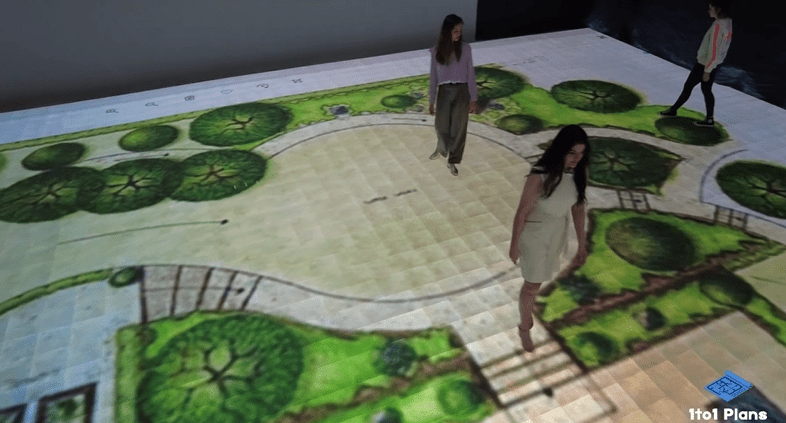
1to1 Plans: Helping Architects View Life Size Floor Plans
As architects strive to incorporate sustainable and eco-friendly design principles into their work, they can benefit from innovative tools and technologies that support these efforts. One such service is 1to1 Plans, which enables architects to view life-size floor plans in a virtual reality environment. By experiencing a building’s design in this way, architects can more easily visualize how passive design principles, material selection, energy efficiency, water conservation, and resilience will come together to create a sustainable and eco-friendly building.
Conclusion
In conclusion, sustainable and eco-friendly design is no longer a luxury but a necessity. Architects have a critical role to play in reducing the environmental impact of our built environment, and by incorporating passive design principles, selecting environmentally friendly materials, improving energy efficiency, conserving water, and designing buildings for adaptability and resilience, they can create a more sustainable future for all of us. Tools like 1to1 Plans can help architects visualize these principles in action and bring their sustainable and eco-friendly designs to life.


