

Introduction to Vertical Gardens
In 2024, vertical gardens, also known as green facades or living walls, are becoming an integral part of urban spaces. These green walls are taking over cityscapes, turning plain buildings into living, breathing structures. They’re not just for looks; they play a key role in modern architecture by bringing nature into urban areas, which is more important than ever.
In this blog, we’ll learn how vertical gardens are changing the look and feel of our cities. We’ll read about their benefits, like improving air quality and increasing urban biodiversity, while also touching on some challenges, like maintenance and cost. We’ll look at solutions to make vertical gardens more accessible, including smart irrigation systems and eco-friendly design practices. If you’re into gardening or curious about sustainable living, this blog will show you how vertical gardens are transforming urban spaces. With 1to1 Plans’ life-size floor plan visualization technology, you can visualize exactly how these green spaces could fit into your future home.
Overview
Benefits of Green Facades
Green facades are more than just a pretty addition to buildings—they offer a wide range of benefits that make them a smart choice for urban areas. They not only improve the environment by refreshing the look of cityscapes but also provide practical and aesthetic advantages.
Here’s a closer look at why these vertical gardens are becoming a must-have in modern urban design.

Environmental Benefits
One of the standout benefits of green facades is their ability to purify the air. Urban areas are often plagued by high levels of air pollution from vehicles, industrial activities, and construction. Green facades help to combat this by acting as natural air filters. The plants on these facades absorb pollutants like carbon dioxide and release oxygen, improving air quality for everyone nearby.
Another critical environmental benefit is temperature regulation. Cities, often described as “heat islands,” can be significantly warmer than surrounding rural areas due to the abundance of concrete and asphalt, which trap heat. Green facades help mitigate this effect by providing shade and through the process of evapotranspiration, where plants release moisture into the air, cooling down the immediate environment. This cooling effect can reduce the need for air conditioning, leading to lower energy consumption and, in turn, a reduction in greenhouse gas emissions.
Moreover, green facades contribute to urban biodiversity. In cities where natural habitats are limited, these vertical gardens provide essential homes for birds, insects, and other small creatures. This not only supports biodiversity but also helps maintain the ecological balance within urban environments, ensuring that even in the heart of the city, nature has a place to thrive.
Aesthetic and Design Benefits
From a design standpoint, green facades offer a unique blend of beauty and functionality. They can completely transform the look and feel of a building. Imagine a dull, grey concrete structure suddenly becoming full of life, covered in a vibrant tapestry of plants. This transformation doesn’t just make buildings more attractive; it can also upgrade entire neighborhoods.
Green facades are also a smart design choice because they can significantly increase the value of a property. Buildings with these lush, green walls often stand out, making them more appealing to both tenants and buyers. This aesthetic appeal can lead to increased property values and higher occupancy rates, making green facades a financially savvy investment for property developers.
But the benefits go beyond just appearance. They also contribute to reducing noise pollution. In bustling urban environments, noise can be a significant issue, affecting the quality of life for residents. Plants naturally absorb and deflect sound, meaning that green facades can act as a buffer against urban noise, creating a quieter and more peaceful environment inside buildings.
Health and Well-being
Numerous studies have shown that being around plants and greenery can reduce stress, improve mood, and enhance overall mental health. In the fast-paced, often stressful urban environment, green facades provide a natural escape for residents and workers by creating a visual connection to nature that can help them feel more relaxed.
The presence of greenery in everyday surroundings can lead to increased feelings of well-being and even boost productivity and creativity in workspaces. Additionally, the improved air quality resulting from green facades directly contributes to better physical health, reducing the incidence of respiratory issues and other health problems associated with pollution.
Green facades also help improve indoor comfort as they create natural insulation. The layers of plants can act as a natural insulator, keeping buildings warmer in winter and cooler in summer, creating more comfortable living and working environments.
Designing and Installing Vertical Gardens: A Step-by-Step Guide
Vertical gardens are a sustainable way to maximize space, improve aesthetics, and promote healthier living in urban areas. If you’re thinking of adding a vertical garden to your home or outdoor area, here’s a step-by-step guide to help you get started:
1. Choosing the Right Location
The first step is to pick the perfect spot for your vertical garden.
Consider the amount of sunlight the area receives, as this will directly impact the types of plants you can grow. For instance, if you’re working with a south-facing wall that gets a lot of sun, you’ll need to select plants that thrive in bright conditions. On the other hand, shaded areas require plants that can handle lower light levels. Ventilation and temperature are also key factors, especially in hotter climates where you might need to choose drought-tolerant species.
When selecting a site, think about accessibility too. Whether you’re growing vegetables, herbs, or decorative plants, make sure the location is easy to maintain and close to a water source for convenient irrigation.
2. Picking the Right Plants for Vertical Growth
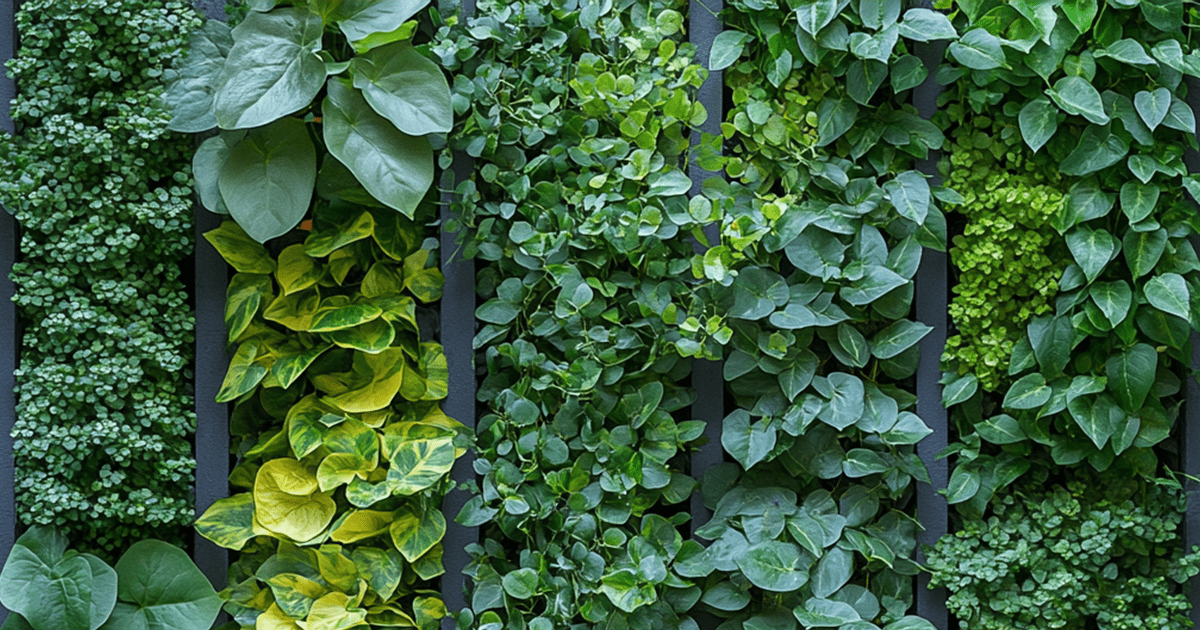
Not all plants are suited for vertical gardens, so you must choose ones that will grow in this type of environment. Vining plants like pothos, ivy, and creeping fig are great for covering large areas, while compact plants like ferns and succulents work well for filling in gaps. You should also consider how the plants will grow over time—some species may need regular pruning to prevent them from overtaking your garden.
3. Materials and Methods for Building Support Structures
A sturdy support system is the backbone of any successful vertical garden. There are several options, ranging from DIY-friendly solutions to more complex setups. You can use simple trellises, wooden pallets, or metal grids as a base. For more advanced projects, modular panels or pre-made living wall systems are available that are easy to assemble.
When choosing materials, you must prioritize durability. Outdoor vertical gardens need to withstand weather conditions, so materials like treated wood, stainless steel, or plastic are preferable.
4. Efficient Watering Techniques
Watering can be tricky for vertical gardens since gravity can cause water to flow unevenly through the plants. That’s where smart irrigation systems come in. Drip irrigation is one of the most efficient options, delivering water directly to the roots without wastage. You can install a simple drip line at the top of your garden, letting water trickle down through the layers, and ensuring all plants get the right amount of moisture.
Innovative Applications of Green Facades
Green facades are changing from simple wall gardens to essential components of modern urban design. By incorporating plants into vertical surfaces, these living walls not only improve the look of cityscapes but also serve an innovative purpose in public spaces and urban farming.
Let’s read about some of the creative applications of green facades in urban environments:
1. Green Walls on Buildings
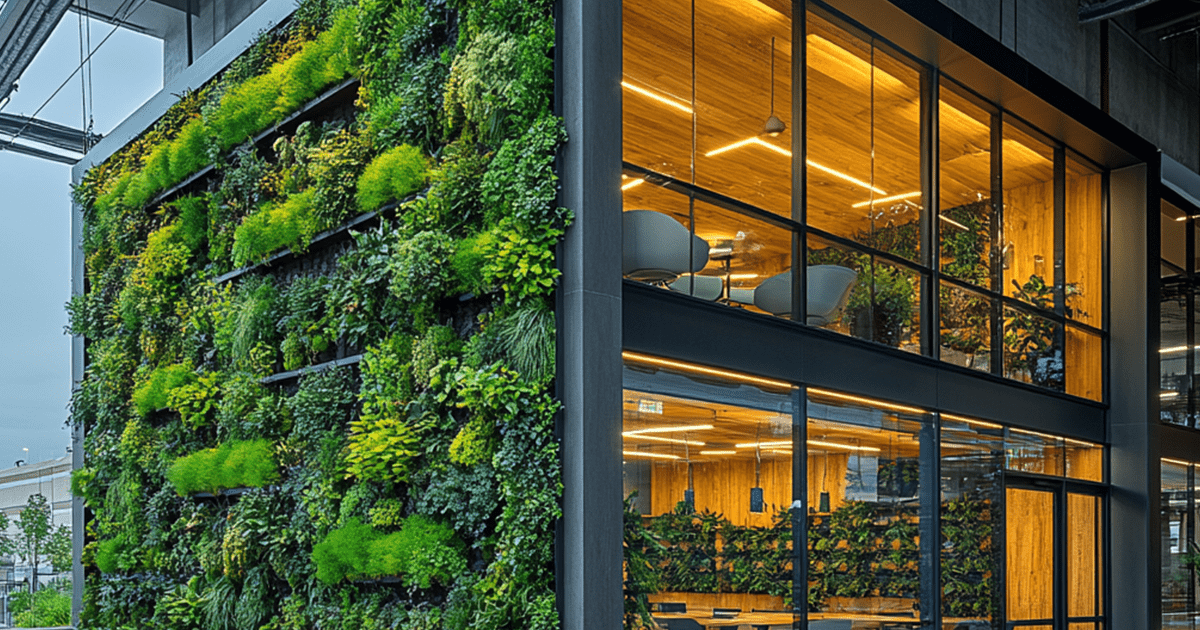
Green facades are being used to cover the exteriors of buildings, providing both aesthetic and functional benefits. For example, offices and commercial buildings have incorporated vertical gardens into their designs. These living walls reduce energy costs and also create a soothing environment for those inside.
2. Public Spaces and Parks: Enhancing Community Areas
In densely populated urban areas, where space is limited, vertical gardens can be a game-changer. By adding greenery to walls, fences, and other vertical surfaces, cities can increase green space without needing additional land. This approach has been used in community parks, bus stops, and even parking garages, creating more welcoming and eco-friendly environments.
3. Urban Farming: Growing Food in Limited Urban Spaces
One of the most innovative uses of green facades is in urban farming. There has been a rise of food insecurity and shrinking agricultural land, thus, cities are turning to vertical gardens to grow fresh produce. Green facades are being integrated into the sides of buildings, allowing residents and businesses to cultivate fruits, vegetables, and herbs in otherwise unused spaces.
Urban farming projects in cities like Singapore and New York have shown how green facades can be used to grow crops right in the heart of urban areas. This practice not only helps address food supply issues but also educates the citizens about sustainable living.
Challenges and Solutions in Implementing Green Facades
While green facades offer numerous benefits, implementing them comes with its own set of challenges. Let’s go through some common issues and practical solutions for making these vertical gardens successful.
1. Maintenance and Upkeep
One of the biggest challenges of green facades is regular maintenance. Plants require consistent care, including watering, pruning, and replacing dead or unhealthy plants. Without proper attention, your green facade could quickly lose its appeal.
The solution is to have automated irrigation systems and smart monitoring tools. These systems ensure plants receive the right amount of water and nutrients while minimizing the need for manual intervention.
2. Pest Control
Pest management is another hurdle in vertical gardening. The dense foliage of green facades can become a breeding ground for insects and pests if not properly managed. Integrated pest management (IPM) strategies are effective in dealing with this issue. IPM involves using a combination of natural predators, organic pesticides, and routine inspections to keep pests in check without harming the plants. Regular cleaning and monitoring are also key to preventing infestations before they become a significant problem.
3. Structural Integrity
The weight and stability of green facades need careful consideration. The added load of soil, plants, and irrigation systems can put stress on building walls, leading to structural issues over time. To address this, it’s important to use lightweight growing mediums and install proper support structures that distribute the load evenly. With 1to1 Plans, life-size floor plan walkthrough technology you can avoid these structural issues by visualizing the right support structures for the walls by viewing elevations on the IMAX screens.
Future Trends in Green Facades
As urban areas continue to grow, green facades are set to play an even bigger role in the cities of the future. With new technological advancements and a focus on sustainability, the next generation of green facades will be more efficient, eco-friendly, and integrated into urban planning like never before.

1. Technological Innovations
The future of green facades is all about smart technology. Automated irrigation systems and sensors are becoming increasingly sophisticated, allowing for real-time monitoring of plant health, soil moisture, and weather conditions. These systems check that plants receive the exact care they need with minimal waste, making maintenance easier and more efficient.
2. Sustainable Practices
Eco-friendly materials and practices are at the forefront of future green facade trends. We’re likely to see more recyclable and biodegradable growing mediums, energy-efficient lighting for indoor green walls, and even the use of solar panels integrated into the facade design.
3. Integration with Urban Planning
As cities plan for greener futures, these facades will be integrated into new developments, public spaces, and even retrofitted onto existing buildings. With governments and architects recognizing the environmental and social benefits of vertical gardens, they’ll likely be included in future city plans as a standard practice rather than an afterthought.
Conclusion
Green facades play a significant role in creating sustainable, healthier urban spaces. They improve air quality, enhance city landscapes, and provide mental health benefits, making them essential in the development of future cities. As urban areas continue to expand, incorporating green facades is a smart way to balance environmental needs with modern living.
If you’re considering adding green facades to your project, 1to1 Plans can help you bring your vision to life. Book a session today and visualize your ideas with our life-size floor plan technology—making it easier to see exactly how green facades can fit into your space.


