
Introduction to Traditional Farmhouse Interior Design
Walking into your home should be like wrapping yourself in a warm hug—a space where you can truly relax and unwind. Traditional farmhouse interior design does just that by creating a space that feels both welcoming and nostalgic. It’s all about having an interior design that is a perfect mix of simplicity and functionality, one that turns your home into a space where you find comfort from the hectic pace of everyday life.
What makes traditional farmhouse design so special is its deep connection to the past. It’s all about vintage farmhouse decor and classic pieces like sturdy farmhouse furniture and exposed beams. These elements not only add character but also tell a story, reminding us of simpler times and evoking a sense of homey comfort.
The image below shows a traditional farmhouse kitchen with natural wood accents and a soothing farmhouse color palette, a layout designed for gathering— it’s the heart of the home, perfect for bringing everyone together.

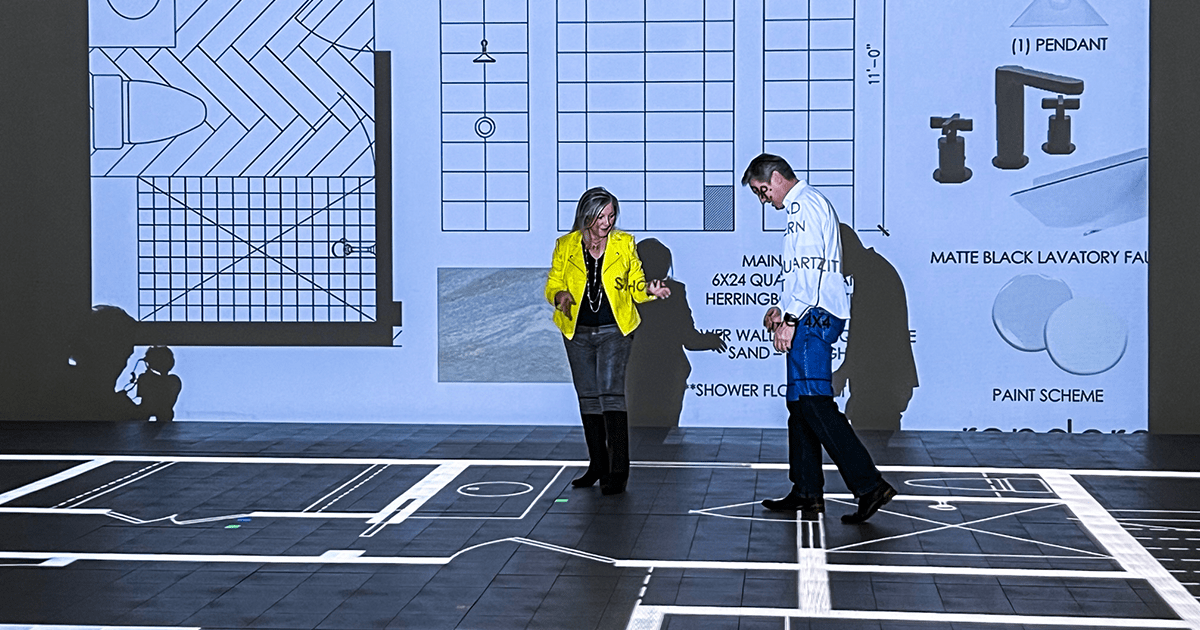
This guide is here to help you understand the world of traditional farmhouse interior design. We’ll cover all the essentials, from farmhouse wall paneling to rustic farmhouse accents. We’ll also show you how to bring the outdoors in by adding natural elements to your decor. If you’re planning a full home renovation or just want to add some farmhouse touches, with 1to1 Plans’ life-size floor plan visualization technology you can visualize all these elements for your space.
Overview
History of Traditional Farmhouse Decor
The roots of traditional farmhouse decor trace back to provincial American homes in the 18th and 19th centuries. These early farmhouses were built by settlers who relied on local materials and craftsmanship, resulting in sturdy, practical homes that reflected the surrounding landscape.
The design principles of these homes were simple:
- Functionality
- Durability
- Comfort
This meant using readily available resources like wood and stone and incorporating features like large fireplaces and wide-plank floors that were both practical and aesthetically pleasing.
As time progressed, the farmhouse was influenced by various cultural and historical events. In the early 20th century, as mass production became more prevalent, elements of traditional farmhouse decor began to mix with newer styles, incorporating more decorative details while retaining the core principles of simplicity and functionality. This period saw the rise of iconic farmhouse features like apron sinks, barn doors, and shiplap walls, which have since then become must-haves in the rustic farmhouse style.
Throughout its evolution, the key elements of traditional farmhouse interior design have remained consistent:
- Natural materials like wood and stone are at the forefront, providing a sense of warmth and authenticity.
- Farmhouse furniture is typically sturdy and often handcrafted, emphasizing practicality and durability.
- Vintage farmhouse decor, such as antique signs, weathered finishes, and reclaimed wood, adds a layer of nostalgia and character.
- One of the guiding principles of traditional farmhouse decor is the use of a neutral farmhouse color palette. This typically includes shades of white, beige, and gray, which create a calm atmosphere. These colors are often accented with rustic hues like deep reds, blues, and greens, reflecting the natural surroundings.
- Farmhouse wall paneling, such as beadboard and shiplap, adds texture and interest without overwhelming the space.
Another core aspect of this style is the emphasis on exposed farmhouse features. Beams, brick, and stone are often left visible, showcasing their natural textures.
Key Characteristics of Traditional Farmhouse Decor
Warm and Cozy Color Palette
Traditional farmhouse interior designs are all about the warm color palette. Think soft, muted hues like creamy whites, warm beige, and light grays. These colors create a serene and inviting atmosphere, making your space feel homey and comforting. Pops of color, like sage green or dusty blue, can be used to add interest and personality without overwhelming the space. The overall effect is a balanced, harmonious look that feels both fresh and timeless.
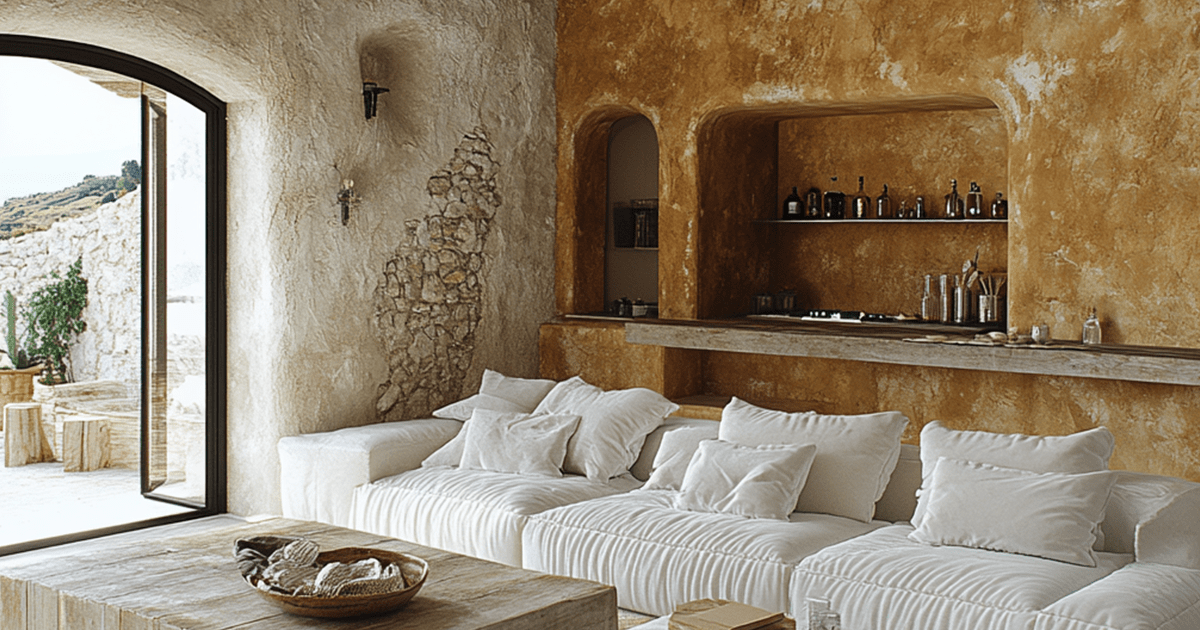
Additionally, incorporating earth tones such as terracotta, muted mustard, and soft browns can enhance the warmth and organic feel of the room. These reflect the natural surroundings typical of farmhouse settings, creating a seamless indoor-outdoor connection. To complete the look, consider using these colors in various textures and finishes, like matte, or glossy, to add depth and dimension.
Using 1to1 Plans, IMAX screen you can pan around and view elevations of your space and experiment with different color shades for your room’s doors, windows, walls, and cupboards. Moreover. the strategic use of color in textiles, such as throw pillows, blankets, and curtains, can further tie the room together, creating an inviting space that brings the traditional farmhouse feel.
Wall Paneling
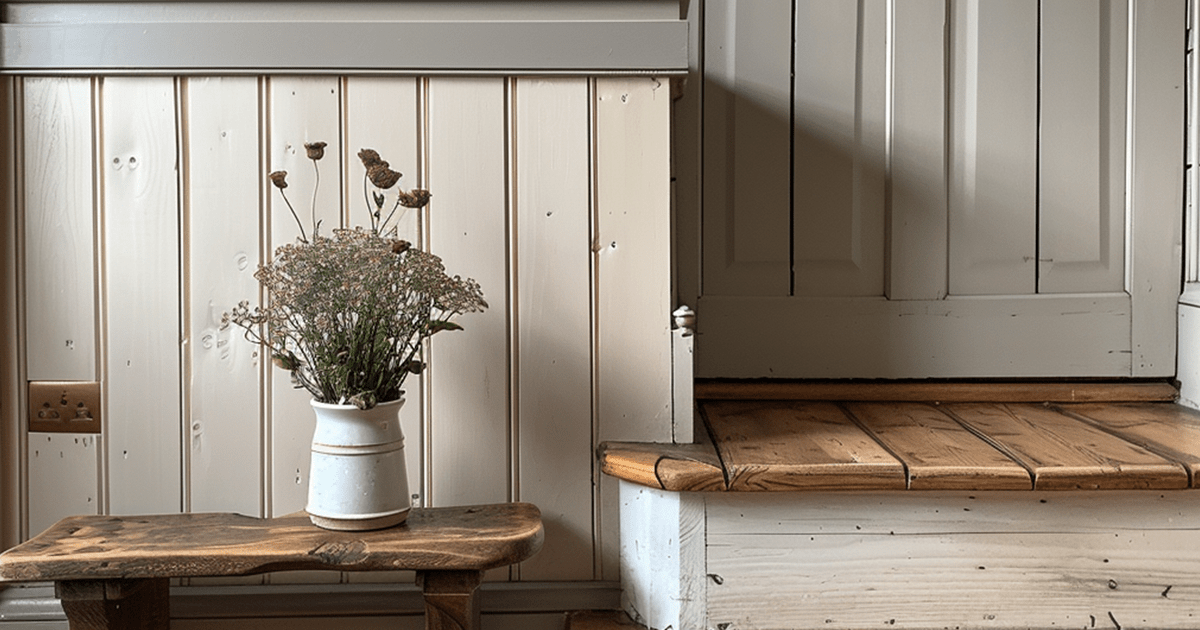
Wall paneling adds texture and character to any room. Shiplap, beadboard, and wainscoting are popular choices. Shiplap brings an old-world element with its horizontal wooden boards, while beadboard offers a more refined, classic look with its narrow vertical planks. Wainscoting, is installed on the lower half of the walls, adds sophistication to them. These paneling styles not only added for good visual appeal but also provide an extra layer of warmth and insulation.
When you incorporate these elements, they transform a bland wall into a focal point, infusing the space with personality and historical reference. For a modern twist, you can paint the paneling in a contrasting color to the walls. Alternatively, a natural wood finish can maintain a more traditional look, highlighting the grain and texture of the wood. In bathrooms and kitchens, waterproof materials can be used to show these paneling styles, maintaining continuity throughout the home.
Natural Woods and Materials
Reclaimed wood, stone, and brick add rustic elements and a sense of history to your space. Wooden beams, hardwood floors, and wooden furniture pieces bring natural beauty indoors. These elements create a grounded, organic feel that’s both enduring and comfortable. Additionally, using materials like linen, cotton, and wool for textiles fits the natural aesthetic and keeps the home cozy and practical.
The mix of these raw materials with more polished elements can create a balanced look. For instance, pairing a sleek metal light fixture with a rustic wooden dining table adds a cool contrast that works well together. Natural materials also have the bonus of being sustainable and durable, making them a smart choice for long-term living. Moreover, having plants and greenery can further this connection to nature, bringing life and freshness into the home.
Practicality and Comfort
Practicality and comfort are key in traditional farmhouse interior design. Furniture is picked for its durability and usability, ensuring it can handle daily use while being comfortable. Think sturdy wooden tables, plush sofas, and chairs with washable slipcovers. The aim is to create a space that’s not only nice to look at but also functional for everyday activities. This way, your home stays inviting and comfortable, just according to the farmhouse style’s laid-back vibe.
For storage, practical solutions like built-in cabinets, open shelving, and large baskets help keep things organized and clutter-free. These elements make it easy to maintain a tidy home without losing style. For comfort, you can also layering textures with rugs, throw pillows, and blankets, making the space feel cozy.
Using items that are both functional and aesthetic, like vintage-style appliances in the kitchen or a big farmhouse sink, adds a touch of character while keeping the space practical.In the end, focusing on practicality and comfort makes sure your farmhouse interior isn’t just nice to look at but also great to live in, meeting the needs of everyday life.
Exposed Architectural Features
Highlighting original architectural features such as exposed beams, brick walls, and fireplaces is a signature of farmhouse decor. These elements tell a story, showcasing the home’s history and craftsmanship. Rather than hiding these features, farmhouse design makes them focal points. The raw, unfinished look of exposed architecture contrasts beautifully with the more refined elements of the decor, creating a balanced aesthetic that feels both old-world and contemporary.
For example, pairing a rough-hewn wooden beam with a sleek, modern chandelier creates a striking visual contrast that is both unique and cohesive. Exposed brick walls can be left in their natural state or painted to match the room’s color scheme, to create a versatile design. Rustic fireplaces, whether functional or purely decorative, serve as a cozy gathering spot and a central feature in living spaces. These architectural elements not only preserve the home’s historical integrity but also give the design more character and texture. Highlighting them can turn regular spaces into something special, making your home feel unique and personal.
Vintage Furniture and Rustic Accents
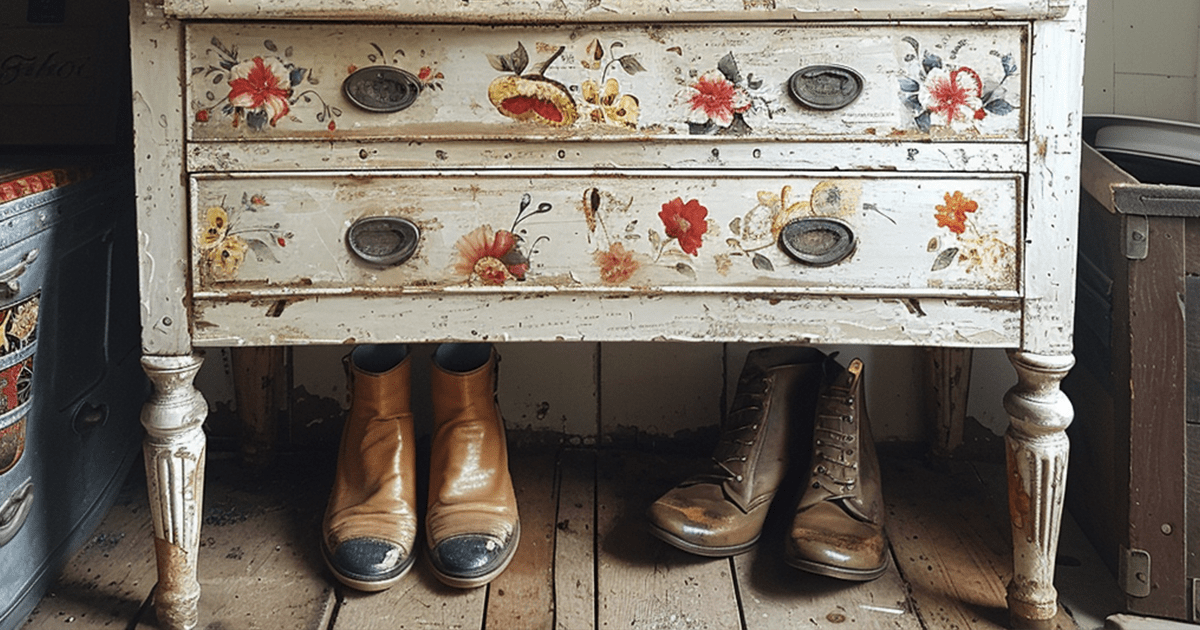
- Vintage furniture and rustic accents are added to bring authenticity to farmhouse interiors.
- Antique pieces, like an old farmhouse table or a vintage dresser, add character and a sense of history.
- Rustic accents, such as iron light fixtures, weathered signs, and woven baskets, enhance the cozy, lived-in feel.
- Repurposing and upcycling old items not only gives them new life but also adds a unique, personal touch to your home.
Combining these vintage elements with modern conveniences ensures the space remains functional and relevant to contemporary living. For instance, an antique armoire can be repurposed as a stylish storage solution for modern gadgets. Rustic accents, like reclaimed wood shelves or galvanized metal planters, add layers of texture and interest, making the space feel warm and inviting. The key is to strike a balance, is to make sure that the vintage pieces complement rather than overpower the overall design.
Decorating Tips for Traditional Farmhouse Interiors
Bringing the Outdoors In
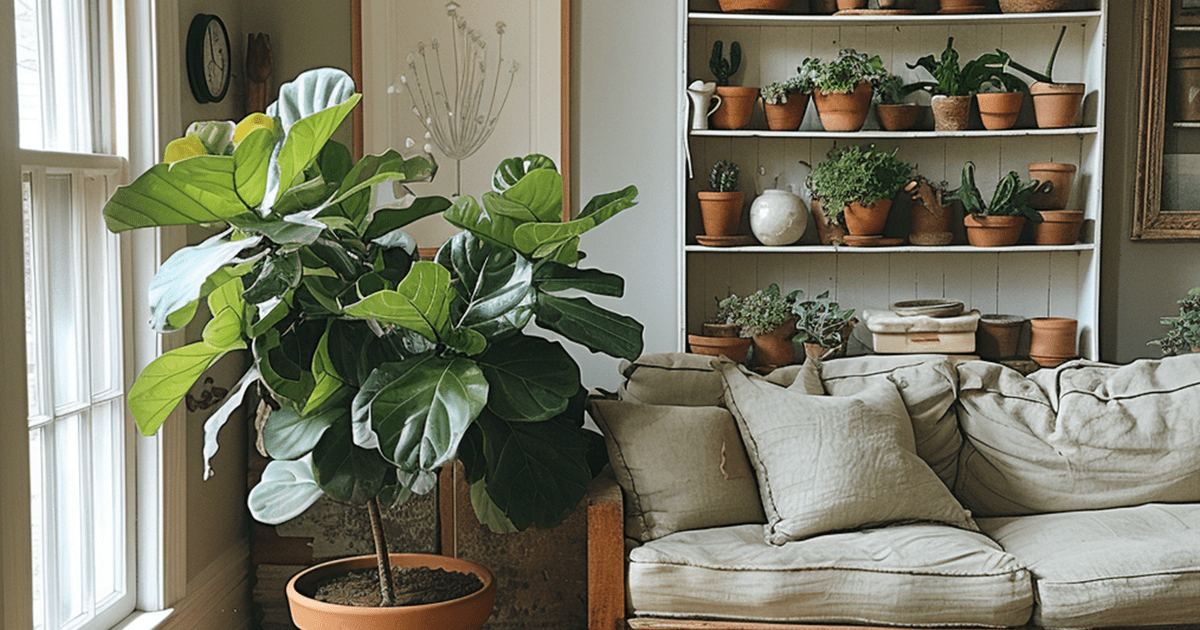
Having elements from nature is a key aspect of farmhouse decor.
Use plants and flowers to bring life and freshness into your home. Potted herbs in the kitchen, a vase of wildflowers on the dining table, or a collection of succulents on a windowsill can make a big impact. Choose rustic containers like terra cotta pots, wooden crates, or galvanized metal buckets to maintain the farmhouse aesthetic. Natural elements not only enhance the visual appeal but also improve air quality and create a calming environment.
Bringing the outdoors in helps to blur the lines between indoor and outdoor living, creating a tranquil space. Additionally, you can add larger indoor plants like fiddle leaf figs or snake plants in living areas to make a statement while maintaining the farmhouse vibe. Seasonal wreaths, dried flowers, and nature-inspired artwork can also add a touch of the outdoors, making your interior feel connected to nature all year round.
Farmhouse Kitchen Design
The kitchen is the heart of a farmhouse home, and its design should reflect practicality.
- Start with a large, sturdy farmhouse table that serves as a gathering spot for family and friends.
- Open shelving is a great way to display everyday items and vintage kitchenware, adding character and accessibility.
- Opt for a farmhouse sink, known for its deep basin and apron front, which is both functional and stylish. Use natural materials like wood, stone, and metal to create a rustic yet polished look.
- White or cream-colored cabinets with simple hardware keep the space light and airy. Incorporate a mix of closed cabinets and open shelves for a balanced look. A neutral color palette with pops of color through accessories, like dish towels or a painted island, adds personality.
- Finish the look with vintage-inspired lighting fixtures, such as pendant lights or a chandelier, to add warmth and charm.
- Incorporate a kitchen island with butcher block countertops for added workspace and rustic appeal. Use vintage canisters and glass jars for storing dry goods, adding a touch of old-world charm while keeping your kitchen organized.
- Decorative elements like a pot rack for hanging copper pans or a collection of antique dishware displayed on open shelves can enhance the farmhouse feel.
- Don’t forget to add a cozy touch with a few well-placed rugs or runners, bringing warmth and texture to your kitchen floor.
Farmhouse Living Room Design
For farmhouse living room:
- Start with comfortable seating like a plush sofa and armchairs in neutral tones. Layer with throw pillows and blankets in soft, textured fabrics.
- A wooden coffee table and side tables add warmth and practicality Use area rugs to define spaces and add comfort underfoot. Incorporate rustic elements like a stone fireplace, wooden beams, or shiplap walls to enhance the farmhouse feel.
- Personalize the space with family photos, vintage books, and decorative items that reflect your style.
- You can also add a large, comfortable armchair or a rocking chair for a touch of classic farmhouse charm.
- Decorate with simple yet elegant window treatments like burlap or linen curtains to allow natural light to filter through. Incorporate functional decor like woven baskets for storage, keeping the space tidy while adding texture and interest.
Farmhouse Bedroom Design
Creating a restful retreat in your bedroom is essential for farmhouse style.
- Start with a sturdy wooden bed frame, preferably with a distressed finish, and dress it with cozy linens in neutral tones. Layer with quilts, throws, and plenty of pillows for added comfort. Bedside tables with drawers offer storage while keeping the look uncluttered. Add a vintage dresser or armoire for character and practicality.
- Soft lighting, such as bedside lamps and string lights, creates a warm ambiance. You can also incorporate personal touches like framed photos, antique mirrors, and fresh flowers to make the space feel welcoming and serene.
- Using reclaimed wood for headboards or accent walls to add a rustic, unique touch to your bedroom. Have soft area rugs for comfort underfoot, and choose simple, classic window treatments to allow natural light to fill the room. Small details like vintage-inspired clocks or handmade crafts can be used to further personalize the space.
Conclusion
Traditional farmhouse interior design is all about making your home warm, inviting, and super practical. With warm color schemes, wall paneling, and natural materials like wood, you can create spaces that are both welcoming and functional. This style offers tons of ways to add character and make your home truly unique. The simple yet practical elements of farmhouse design bring out your home’s personality, making it feel special and lived-in. Book a session with 1to1 Plans today and use our life-size floor plan visualization technology to visualize the perfect farmhouse interior design ideas.


