

Minimalist interior design is all about keeping it simple, functional, and having the “less is more” mindset. Think clean lines, open spaces, and focusing on the essentials to have a chill, uncluttered vibe in your living spaces. It has become super popular lately because people want to have peaceful, organized spaces that make them feel good and reduce stress in their daily lives. This guide breaks down the history, key elements, and tips for rocking minimalist home design, and shows how 1to1 Plans’ life-size floor plan visualization technology can help you visualize it for your own space.

Overview
What is Minimalist Interior Design?
Minimalist interior design is more than just getting rid of clutter; it’s about making thoughtful choices that bring out the beauty in simplicity. In a minimalist space, every piece is carefully picked, from the clean lines of a well-made chair to the calming neutral colors on the walls. This careful selection ensures that everything has a purpose and fits perfectly together.
One common misconception about minimalist home design is that it feels cold or sterile. However, when done correctly, minimalist decor can be warm and inviting. It’s not about living with nothing but rather about living with what truly matters. Each piece of furniture, every decoration, and even the color palette is chosen with the intention to create a balanced space that feels cozy and personal. With 1to1 Plans you can use movable furniture elements like couches, sofas, and tables to visualize a space that goes in accordance with the minimalist approach.
Minimalist style isn’t just one look; it changes across different cultures. For example, Japanese minimalism often uses natural materials and has a zen-like tranquility, while Scandinavian minimalism might focuses more on light and functionality, using soft textiles and muted colors. Despite these differences, the core principles of minimalism—simplicity, functionality, and intentionality—stay the same, creating harmonious and elegant spaces worldwide.
Historical Context of Minimalist Interior Design
The roots of minimalist interior design can be traced back to the minimalist art movement that emerged post-World War II. This movement was a response to the excess and chaos of the early 20th century, emphasizing simplicity, clarity, and an avoidance of extra elements.
One of the OGs of minimalist design was Ludwig Mies van der Rohe, a German-American architect. His famous motto, “less is more,” pretty much sums up the essence of minimalism. Mies van der Rohe’s work, like the Barcelona Pavilion and the Farnsworth House, is all about that clean, simple vibe. His designs featured open floor plans, lots of glass, and a focus on the building’s structure—all key traits of minimalist architecture. His style showed that less really can be more when it comes to creating beautiful, functional spaces.
The minimalist design philosophy was further influenced by the Japanese concept of Zen, which focuses on simplicity, tranquility, and natural beauty. Traditional Japanese homes, with their uncluttered spaces, natural materials, and serene atmosphere, provided a perfect template for the principles of minimalist living. This cross-cultural exchange enriched minimalist aesthetics, blending Western and Eastern philosophies into a cohesive design language.
In the 1960s and 70s, minimalism gained traction in the Western world, particularly in the United States and Europe. This period saw the rise of minimalist design as a major influence in both art and architecture. Designers and architects like Donald Judd and Tadao Ando continued to push the boundaries of minimalist design, creating spaces that were not only visually striking but also highly functional. These minimalist pioneers showed that a space could be both aesthetically pleasing and practical, using fewer elements to achieve a greater impact.
As the minimalist design evolved, it began to incorporate modern technologies and materials, further refining its aesthetic. The use of concrete, steel, and large glass panels became more prevalent, creating expansive, light-filled spaces that felt both modern and timeless.
Core Principles of Minimalist Interior Design
The core principles of minimalist design guide every aspect of the process, from the selection of furniture to the choice of color palettes, as each element plays a part in creating a uncluttered environment.
- The foremost principle is simplicity. This is about stripping away the unnecessary and focusing on clean lines and uncluttered spaces. In a minimalist home design, every element is carefully chosen and serves a specific purpose Some of the key characteristics to have simple design are neutral color palettes, sleek furniture, and minimal decor.
- Next up, is functionality. This is another core principle of minimalist decor. Each piece of furniture and every design choice must serve a practical purpose. This means prioritizing multifunctional furniture, such as a couch that can double as a guest bed or a coffee table with built-in storage. At 1to1 Plans studio, you can use our furniture on wheels to walk your layout as you imagined it, making sure you visualize a minimalist space.
- Minimalist style also focuses on essentials and eliminating anything that does not contribute to the overall design. This doesn’t mean living with nothing, but rather carefully curating possessions to include only what is truly necessary and meaningful. In a minimalist living space, each item has a purpose and a place, contributing to a sense of order and tranquility. This can be seen in the selection of minimalist furniture, where quality is prioritized over quantity.

These principles show up in different design choices. For example, minimalist color palettes usually stick to neutral tones like white, beige, and gray, creating a calm and cohesive look. Accent colors are used to add some interest without overwhelming the space. When it comes to materials, minimalist aesthetics favor natural, high-quality options like wood, stone, and metal, which add texture and warmth to the design.
Defining Elements and Characteristics

When discussing the modern Western minimalist style, interiors with this look typically feature:
- Clean and simple lines
- Monochromatic or neutral color schemes
- Minimal furniture
- Few decorative objects
- Clever storage solutions to keep the space tidy
- Open floor layouts
- Plenty of natural light
Benefits of Minimalist Interior Design
Choosing a minimalist approach for your interior design has many perks. It not only improves the aesthetics but also enhances the functional aspects of your living space, making it a win-win choice for modern living.
- One of the biggest benefits of minimalist interior design is the tranquility it brings. By cutting down on visual clutter and keeping things simple, minimalist spaces create a calm and peaceful vibe. This is super helpful in our fast-paced, hectic lives, providing a space where you can unwind and recharge. The calm environment promotes mental clarity and reduces stress, making your home a peaceful retreat from the outside world.
- Minimalist design is all about functionality, making sure each piece of furniture and decor serves a purpose. This focus on practical, multipurpose items helps keep spaces efficient and organized. For example, a minimalist coffee table might also offer hidden storage, or a sofa might double as a guest bed. By prioritizing functionality, you can make the most out of smaller spaces, ensuring that your home is both stylish and practical.
- Minimalist living often pairs well with sustainability. As you’re choosing quality over quantity and sticking to essentials, you cut down on waste and the need for mass-produced items. This approach promotes using durable, long-lasting materials and supports a more eco-friendly lifestyle. Plus, minimalist design often uses natural materials like wood, stone, and bamboo, and incorporates energy-efficient solutions, helping the environment even more. For instance, large windows in a minimalist home not only provide beautiful natural light but also reduce the need for artificial lighting, conserving energy. The emphasis on sustainability aligns with a growing awareness of our environmental impact, making minimalist interior design a responsible and forward-thinking choice.
How to Achieve Minimalist Interior Design in Your Home
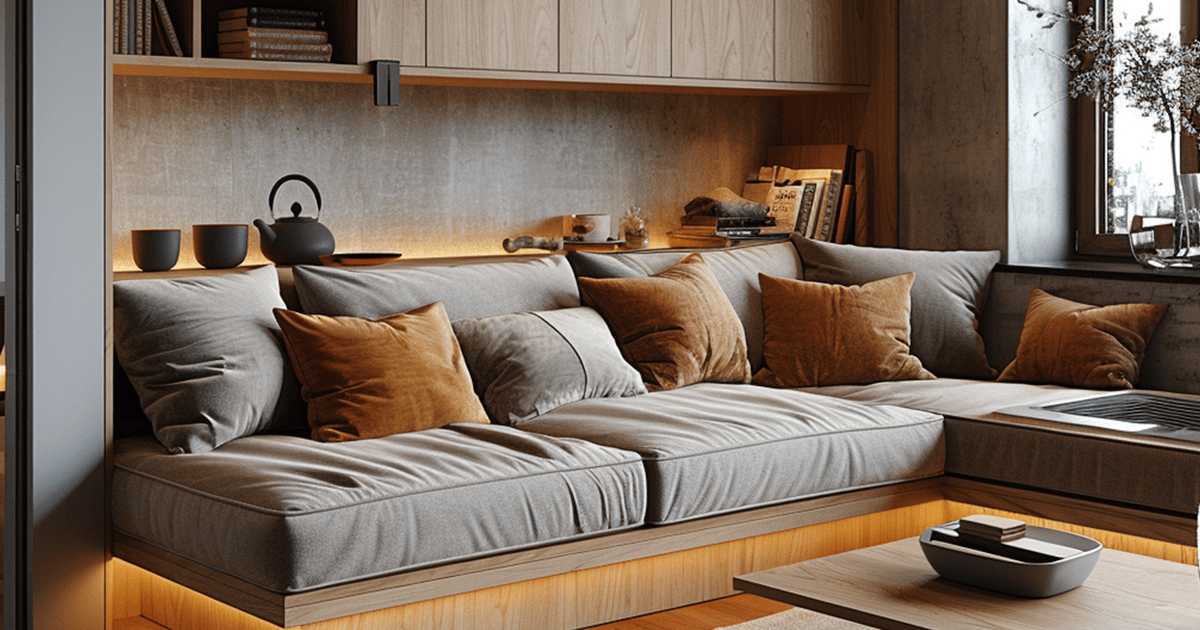
Decluttering is the first and most crucial step toward minimalist living. Let’s break this down into five simple steps.
- Assess and Eliminate: Start by assessing each room and identifying items that are not essential or do not bring joy. Take a critical look at everything you own and ask yourself if it truly serves a purpose or adds value to your life. Donate, sell, or recycle items that don’t make the cut. The goal is to keep only what you truly need and love. This might mean parting with sentimental items, but remember, minimalism is about cherishing the essentials and letting go of excess.
- Opt for Multifunctional Furniture Look for furniture with clean lines and simple designs. Opt for multifunctional furniture, such as a sofa with built-in storage or a dining table that can double as a workspace. This approach helps to maximize space and maintain a clutter-free environment.
- Design an Open Living Room In the living room, focus on creating an open and airy space. Select a few key pieces of furniture, such as a comfortable sofa, a coffee table, and a media console. Avoid overcrowding the room with unnecessary items. Use neutral color palettes for walls, furniture, and decor to enhance the sense of calm and spaciousness. Keep decorations minimal and meaningful, such as a single piece of artwork or a few carefully chosen accessories.
- Simplify the Bedroom Keep bedroom design simple and uncluttered. Choose a bed with a streamlined frame and minimal bedding in neutral tones. Use bedside tables with built-in storage to keep surfaces clear. To keep the room tidy, incorporate ample storage solutions, such as built-in wardrobes or under-bed storage.
- Using 1to1 Plans, IMAX screen you can pan around and view elevations of your kitchen space design to visualize sleek, handle-less cabinets and integrated appliances that give a seamless look. Not only this, but you can also experiment with different neutral color palettes and try out different natural materials like wood or stone for countertops and backsplashes to select the one that goes the best with the overall aesthetic of your home.
Additionally, consider implementing a “one in, one out” policy, where you only bring in a new item if you’re willing to part with an old one. This helps to keep the number of belongings in check and encourages thoughtful consumption. Regularly scheduled decluttering sessions, such as once a season, can also help you stay on top of maintaining a minimalist home.
Beyond, design and decor maintaining a minimalist lifestyle also requires mindful maintenance. Be intentional about new purchases and avoid impulse buys. Focus on quality, durability, and functionality when adding new items to your home.
Examples of Minimalist Interior Design
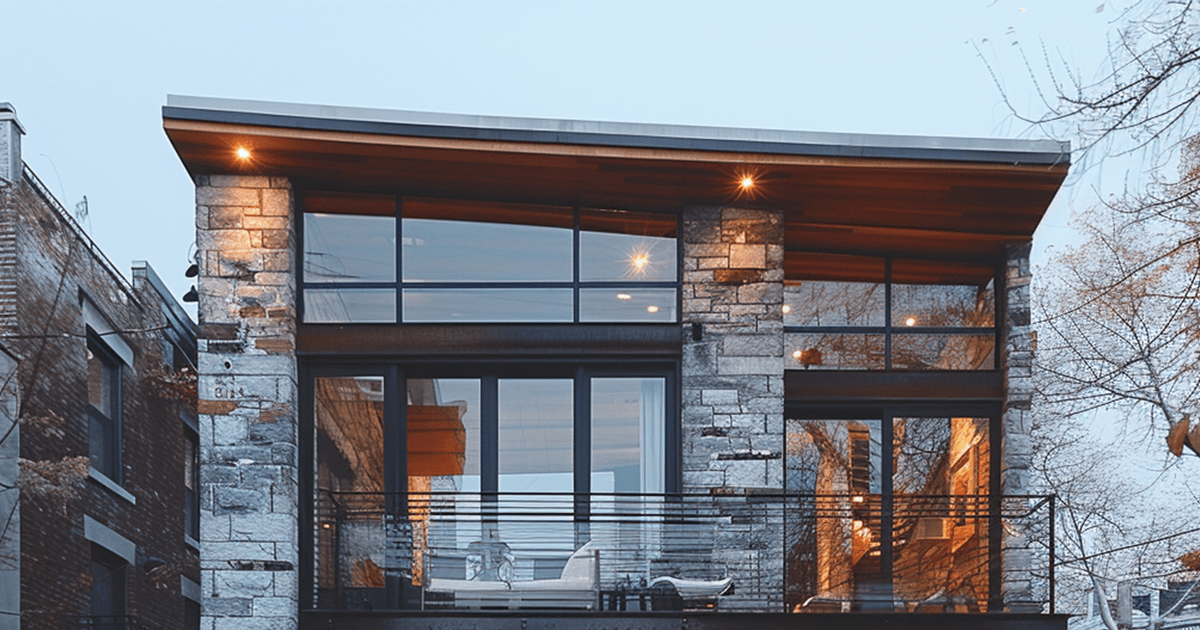
Minimalist interior design is super flexible and can fit into all kinds of cultures and personal styles. Let’s dive into how this style looks around the world and how it adapts to different vibes.
Scandinavian minimalism is all about combining simplicity with coziness. Imagine clean lines, neutral colors, and natural materials like light wood and wool. Scandinavian spaces are bright and airy, with lots of natural light. For example: a simple, comfy sofa paired with a sleek coffee table, and just a few well-chosen accessories like a piece of art or a couple of plants to keep it warm and inviting without clutter.
Japanese minimalism goes deep with Zen principles, focusing on peace and harmony. Picture open spaces, natural light, and materials like wood, bamboo, and paper. Interiors often have sliding shoji screens for flexible space and a strong connection with nature. Furniture is low and simple, enhancing the serene vibe. It’s about bringing the outdoors in, with elements like indoor plants and water features adding to the calm, meditative atmosphere.
In busy cities, minimalist design can be a total game-changer. Take the Fukasawa Residence in Tokyo for example. This place uses functional furniture, open layouts, and minimal decor to create a peaceful escape from the city buzz. Big windows let in loads of natural light, and the interiors are all about simplicity and practicality. Think neutral colors and sleek, multi-functional furniture that keeps things efficient and organized.
Industrial minimalism, like what you see in New York lofts, mixes raw elements with clean, uncluttered vibes. Picture exposed brick walls, concrete floors, and big industrial-style windows. The furniture is simple and functional, often made from metal and wood, giving a modern yet timeless feel. Key pieces might include a sleek metal dining table and minimalist chairs, with built-in shelves to keep clutter at bay.
Across the globe, minimalist design adapts to local traditions while sticking to its core principles: simplicity, functionality, and intention. In the Mediterranean minimalist interiors might use natural stone, terracotta tiles, and wooden beams to create warm, inviting spaces. The focus is on light, neutral colors and natural materials to keep things serene and cohesive. In Nordic countries, minimalist spaces often feature light wood and soft textiles, emphasizing natural light and comfort. It’s about practicality and coziness, with furniture that’s both functional and stylish.
Common Challenges and How to Overcome Them
Letting Go of Stuff
One of the toughest parts is parting with things you’ve collected over time. Sentimental value or the fear of needing them later can make this hard.
Solution: Start small. Tackle one room at a time and think about when you last used each item. If you haven’t touched it in a year, it’s probably not essential. Remember, minimalism is all about keeping what truly adds value to your life.
Fear of Sterile Spaces
Some people worry that minimalist design will make their home feel cold or lifeless.
Solution: Use natural materials and textures to add warmth and character. Think wood, stone, and textiles like wool or linen. Personalize your space with a few meaningful decor items that reflect your personality and style.
Keeping Up with Minimalism
Maintaining a minimalist home can be challenging, especially in the long run. It’s easy to slip back into old habits and accumulate clutter.
Solution: Set up regular decluttering routines to keep things in check. Try a “one in, one out” policy—bring in something new only if you’re willing to let go of something old. Be mindful of your shopping habits and focus on quality over quantity.
Balancing Minimalism with Practicality
Finding the sweet spot between minimalism and practicality can be tricky. You want a functional home without the excess.
Solution: Focus on multifunctional furniture and smart storage solutions. Pick pieces that serve multiple purposes and help keep your space organized. Ensure every item has a designated spot to prevent clutter from piling up.
By following these tips, you can tackle the challenges of minimalist interior design and create a space that’s both stylish and functional.
Conclusion
In this comprehensive guide, we’ve discussed in detail the essence of minimalist interior design, exploring its historical context and core principles. We’ve also provided practical tips for achieving minimalist design in your home, showcased real-life examples, and addressed common challenges. Remember, minimalist interior design is all about intention and personal preference. It’s about creating spaces that reflect your values and enhance your well-being. With 1to1 Plans’ life-size floor plan visualization technology, you can visualize your minimalist interior design for your next renovation or new build. with us today to bring your minimalist home design vision to life.


