

Introduction
Home design in 2025 is all about being innovative with style. This year’s trends bring smart home integration to the forefront, making life easier and more connected. Sustainability is key, with eco-friendly living spaces and biophilic designs creating homes that feel closer to nature. Modular furniture is redefining flexibility, while transparent and glass architecture gives spaces a sleek, open vibe.
In this guide, we’ll learn about the top trends shaping home designs in 2025 and how you can visualize them using 1to1 Plans life-size LED walkable floor plan visualization technology.
Overview
Smart Home Integration
First up is smart home technology which is becoming an essential part of everyday living in 2025 with advancements making these systems more accessible and efficient. Voice-activated assistants are getting smarter, managing your daily tasks and learning your preferences to create a fully personalized experience. Smart lighting continues to gain popularity, offering options to match your mood such as adjusting to vibrant party vibes or calming evening tones.
Automation is no longer limited to a few gadgets, it’s integrated across the home. Security systems, climate controls, and even kitchen appliances work together to provide seamless functionality.
With 1to1 Plans’ IMAX screen walkthrough, you can visualize your smart home features by panning around and viewing your home’s elevations to see where your smart devices will fit, whether it’s your lighting, appliances, or automated systems.
Sustainable Living Spaces
Homeowners are increasingly prioritizing eco-friendly technologies, renewable materials, and energy-efficient solutions to reduce their environmental impact. One of the most exciting innovations in sustainable living is the rise of renewable energy sources integrated directly into the home. Solar panels, wind turbines, and energy-efficient HVAC systems are now common features, allowing homeowners to power their spaces with clean, renewable energy while reducing utility costs.
In addition to energy production, the use of sustainable materials is transforming home construction. Bamboo, reclaimed wood, and recycled steel are becoming popular choices for building and furniture, offering durability and a minimal environmental footprint. These materials not only contribute to a greener home but also add character to the design.
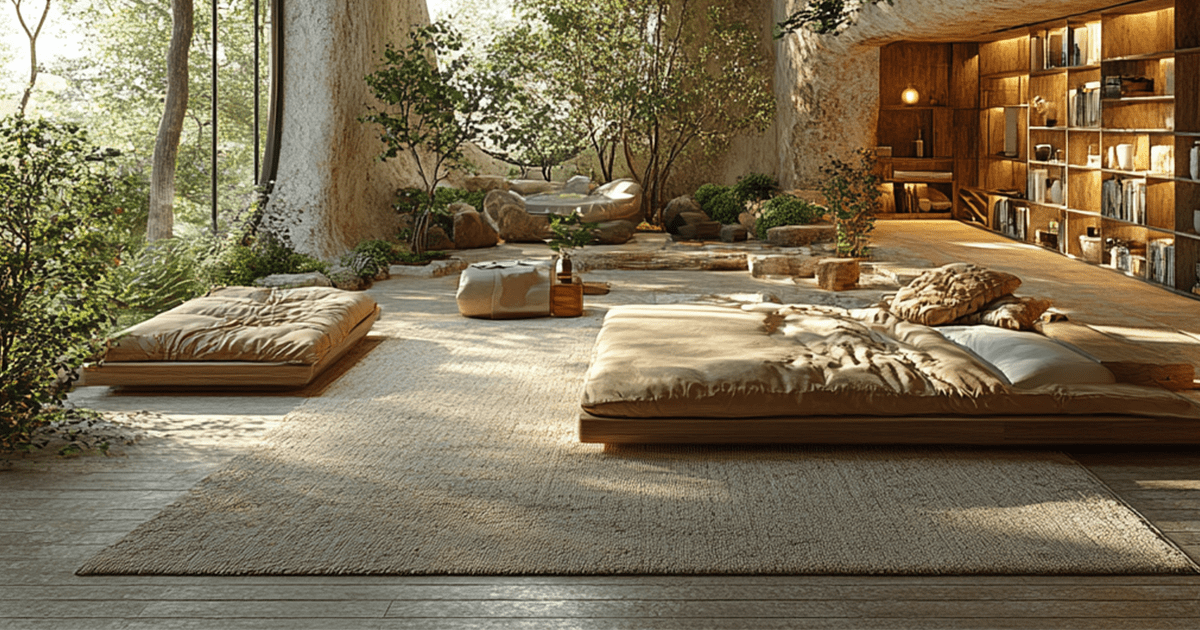
Modular Furniture for Adaptability
Modular furniture is the move for home design in 2025. It’s all about flexibility and making your space work for you. Whether you’re in a tiny apartment or a spacious house, modular furniture lets you adjust your setup whenever you need.
You can swap around pieces to fit the vibe, if you’re working from home, hosting a chill hangout, or just relaxing. And if you need extra seating, just add another piece. Or if you want a more open feel, you can move things around. It’s all about giving you options without having to deal with bulky, fixed furniture.
Plus, modular pieces are designed to be functional. A couch with hidden storage, for example, helps keep things organized, especially in smaller spaces. The clean, modern designs blend into almost any home style, so no matter what look you’re going for, it fits.
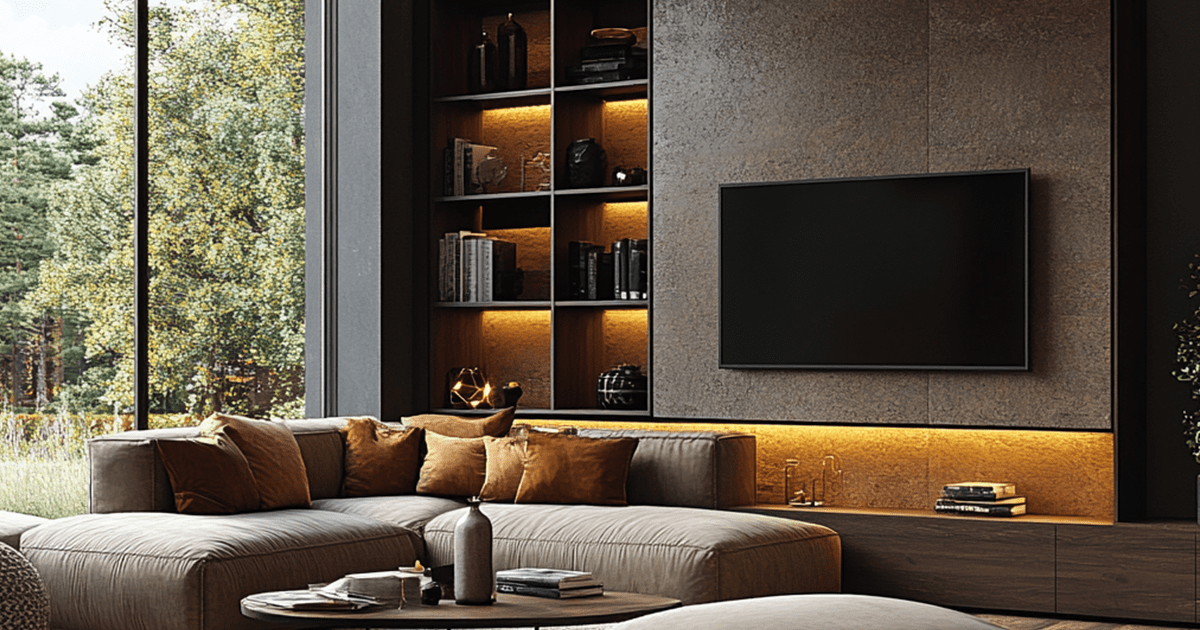
Biophilic Design for Well-Being
Biophilic design focuses on bringing nature inside to boost both the look and feel of your home. It’s about using natural elements like wood, stone, plants, and plenty of sunlight to create a space that feels connected to the outdoors. This approach isn’t just about aesthetics, it’s also linked to better mental and physical health.
Being around nature can help reduce stress, improve mood, and even increase focus. By incorporating features like indoor plants, water elements, or natural lighting, you’re creating an environment that supports well-being.
Transparent and Glass Architecture
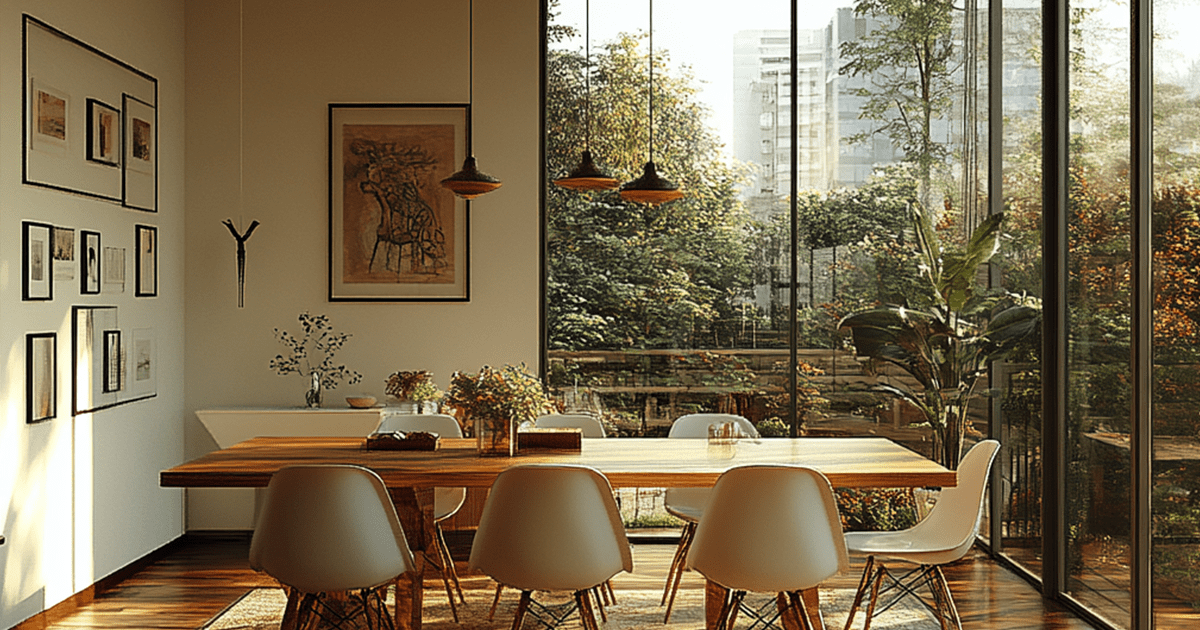
In 2025, using glass and transparent materials in home design is changing how we experience space. These elements open up rooms, letting in natural light and offering unobstructed views of the outdoors. With floor-to-ceiling windows or glass walls, spaces feel bigger, brighter, and more connected to the environment.
Beyond just looking good, transparent design can also improve energy efficiency. Modern glass technology keeps homes comfortable year-round by minimizing heat loss in winter and keeping things cool in summer. It also reduces the need for artificial lighting during the day, contributing to energy savings.
Conclusion
To truly experience and refine these home design concepts, you can visualize your floor plans using 1to1 Plans’ life-size LED walkable floor plan visualization technology. This allows you to walk through your future home on a 1:1 scale, providing a tangible sense of space and flow. By booking a session, you can visualize and adjust your designs before construction begins, ensuring your home aligns perfectly with your vision.


