

Introduction
Overview
Understanding Eco-Friendly Materials and Their Types
- Natural Building Materials: Wood, bamboo, and cork are classic examples that have stood the test of time. Bamboo, for instance, grows quickly and can be harvested without long-term environmental impact, making it a top choice for eco-conscious builders.
- Recycled Materials: The use of recycled building materials has seen a surge in recent years. Think reclaimed wood for stunning floors or walls, and recycled metal and glass incorporated into structural and decorative elements. These materials help reduce waste and lower the carbon footprint of construction.
- Non-toxic Materials: Eco-friendly construction isn’t just about the environment, it’s also about creating healthier indoor spaces. Non-toxic paints, adhesives, and insulation materials help maintain better air quality within homes and buildings, contributing to overall well-being.
Case Studies of Eco-Friendly Materials in Use
Eco-friendly materials are shaping how we design and build spaces for a sustainable future. Here’s a look at real-life projects that show the power of sustainable construction.

Residential Projects
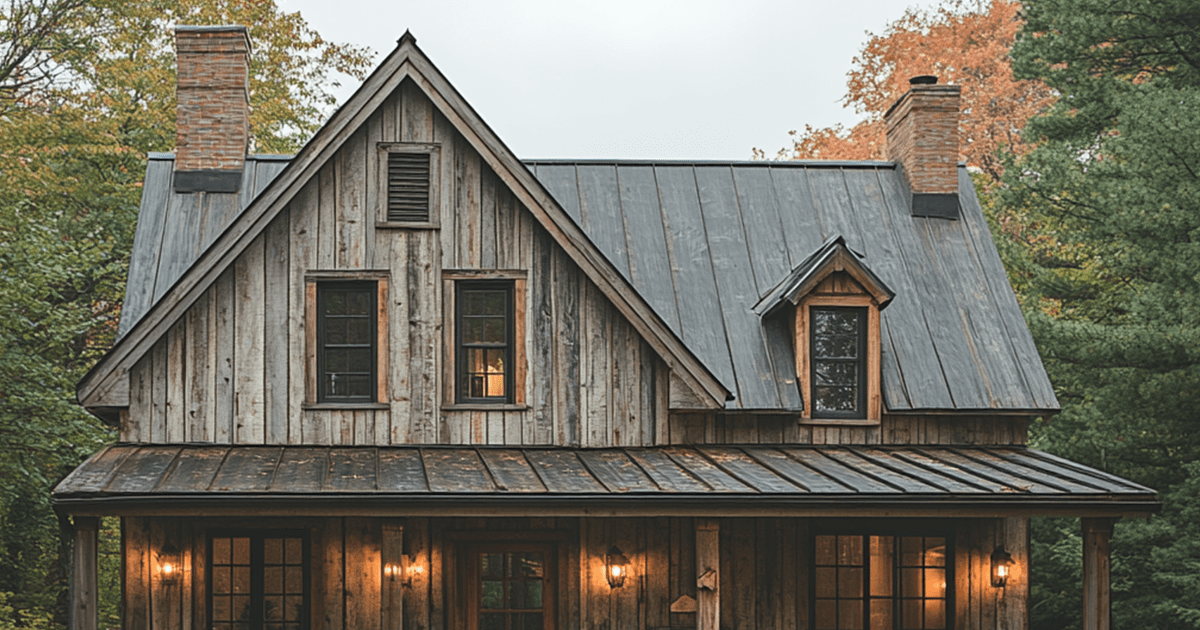
Sustainable Homes and Tiny Houses: Imagine walking into a home that feels modern and stylish yet doesn’t compromise our planet’s well-being. Many sustainable homes today are built using recycled and natural building materials. For example, tiny houses constructed from reclaimed wood not only give a rustic, beautiful look but also save countless trees from being cut down. Builders are also incorporating non-toxic paints and insulation made from recycled denim or sheep’s wool, ensuring the air quality indoors is safe for families. These choices help create homes that are both cozy and eco-friendly, blending aesthetics with responsibility.
Commercial Projects
Green Office Buildings and Retail Spaces: The business world is jumping on board with sustainable architecture too. Take, for instance, the Bullitt Center in Seattle, often called the “greenest office building in the world.” This building uses sustainable materials such as reclaimed wood and low-carbon concrete, plus it’s designed with energy efficiency in mind. The idea is to show that sustainable construction can support modern business needs while drastically reducing environmental impact. Retail spaces have also started to follow suit, using recycled glass for flooring and countertops or incorporating large windows for natural light to reduce reliance on artificial lighting.
Public Projects
Eco-Friendly Schools and Community Centers: Public projects are incorporating green building materials to create environments that promote learning and community while being kind to the earth. Schools designed with sustainable practices, such as natural lighting, non-toxic building materials, and recycled metals for structural elements, are more common. For instance, community centers with solar panels, green roofs, and energy-efficient insulation offer a great example of how public spaces can serve people and the planet simultaneously.
By using eco-friendly materials, these projects prove that construction can meet modern demands without sacrificing sustainability. Using our IMAX screen technology, you can pan around and view elevations to check which eco-friendly materials go with the overall aesthetic of your home. It’s easier than ever to plan and perfect eco-friendly projects before the first brick is laid, ensuring they align with both design and environmental goals.


